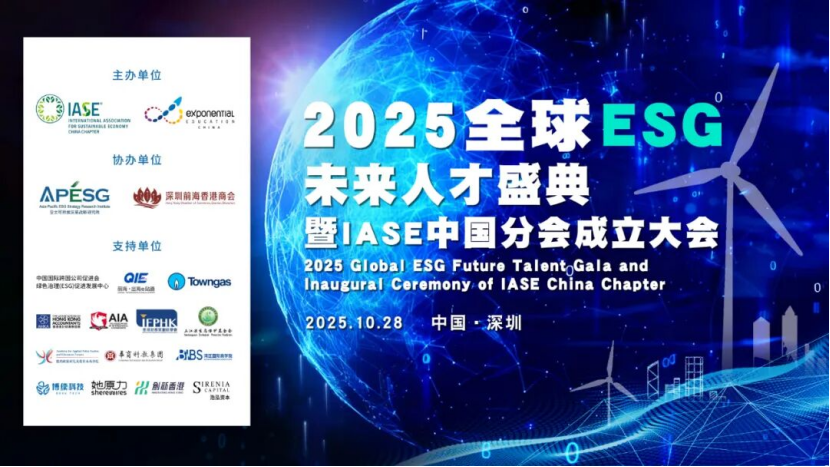
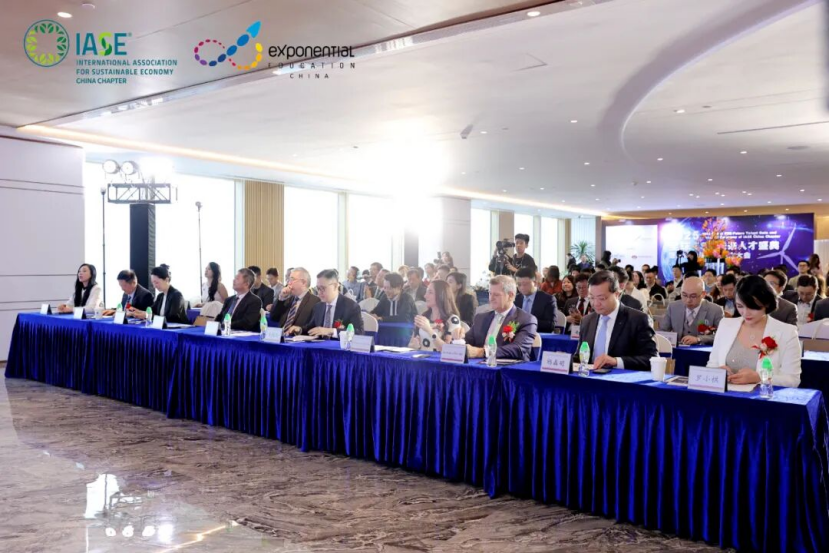
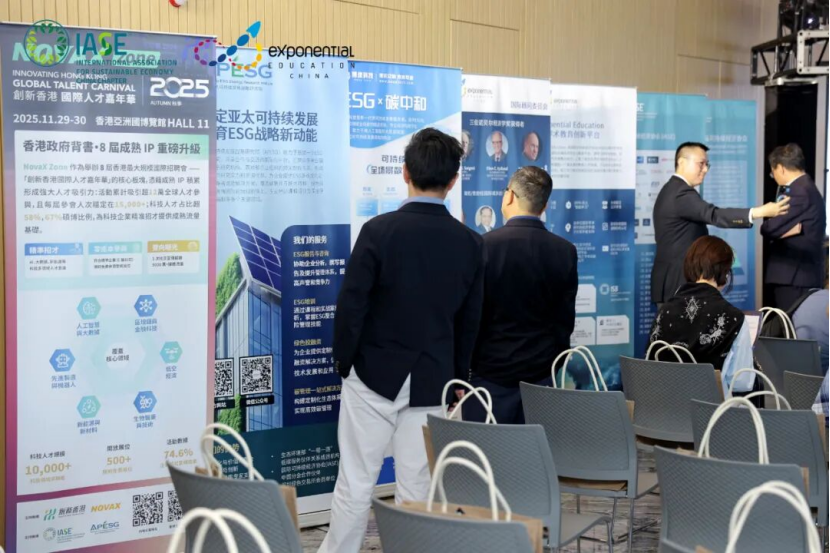
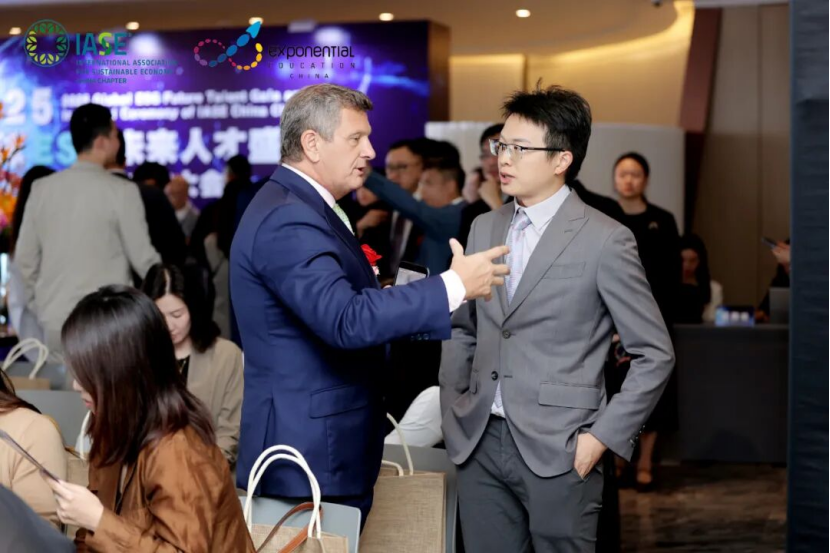
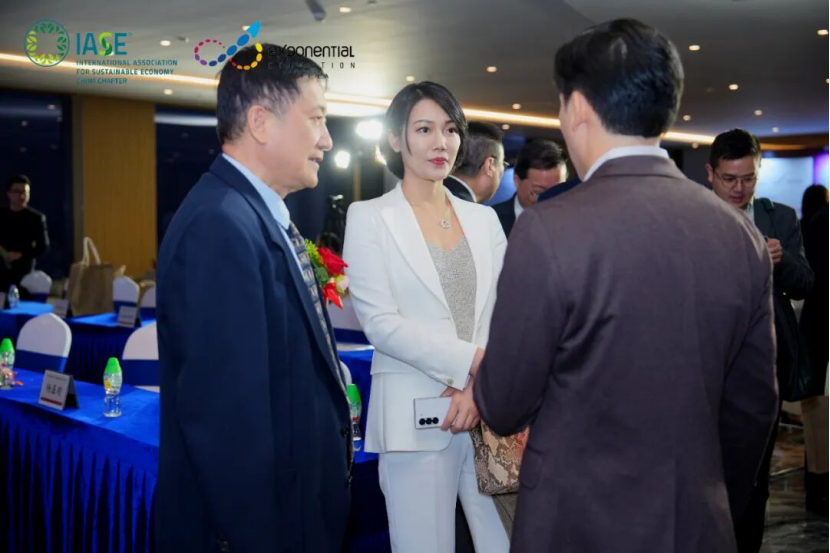
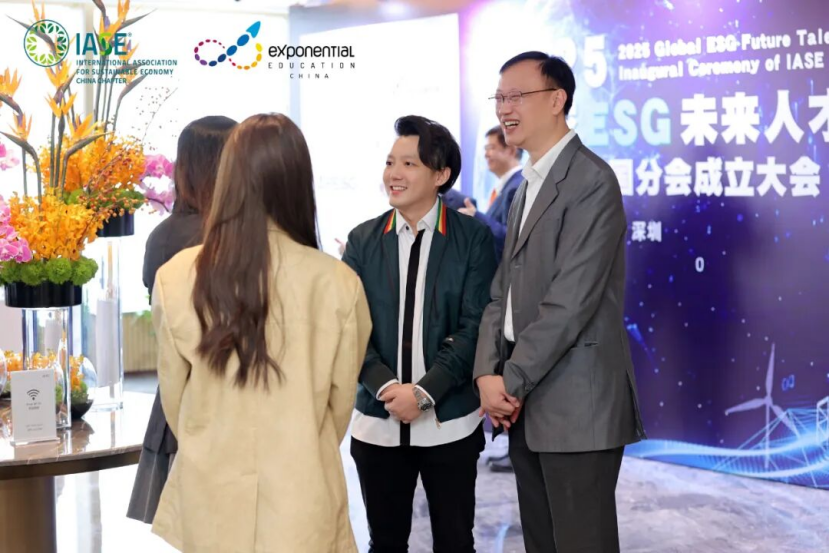
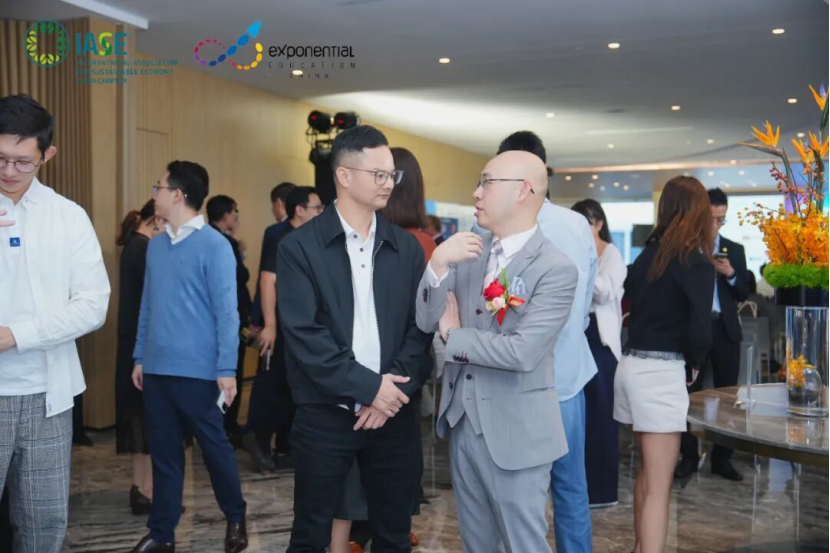
On October 28th, the “2025 Global ESG Future Talent Gala & Inaugural Ceremony of IASE China Chapter,” hosted by the International Association for Sustainable Economy (IASE) China Chapter and Exponential Education (China), an international academic and educational innovation platform, and co-organized by the Asia-Pacific ESG Strategy Research Institute and the Hong Kong Chamber of Commerce (Qianhai), was successfully held in Qianhai, Shenzhen. The IASE China Chapter was officially established at the meeting. With “Linking International Standards and Cultivating Local ESG Talent” as its core focus, the event brought together nearly 150 guests, including policymakers, academic experts, business leaders, and young talents, to discuss key issues such as ESG talent cultivation, localization of international standards, and green transformation of enterprises, injecting new momentum into the construction of China’s ESG talent system.
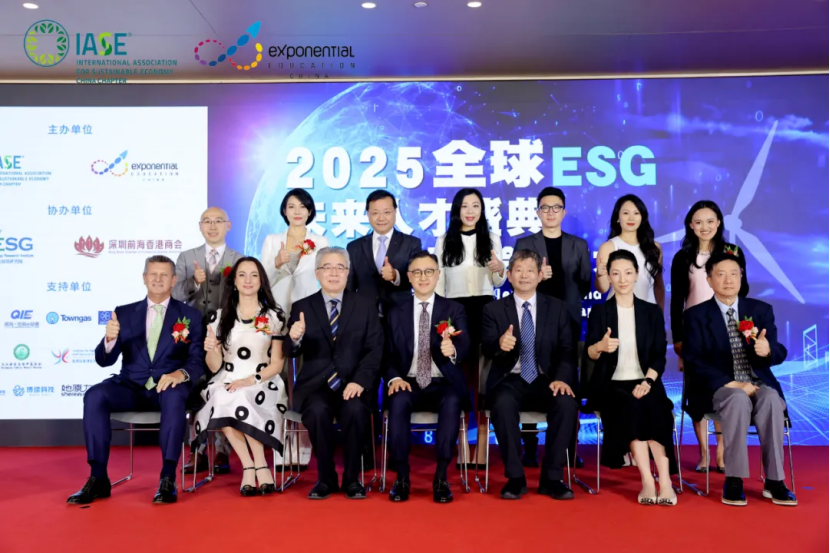
International certification system is launched in China, building a “dual-track bridge” for ESG talent development.
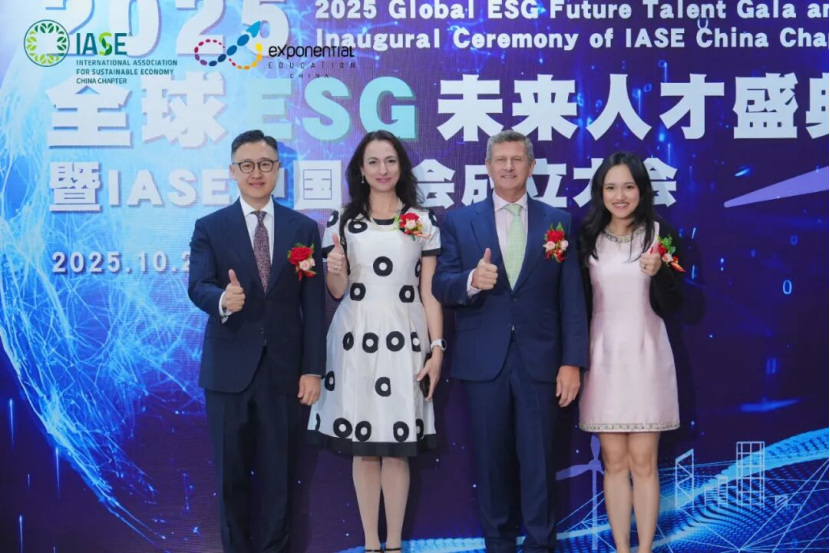
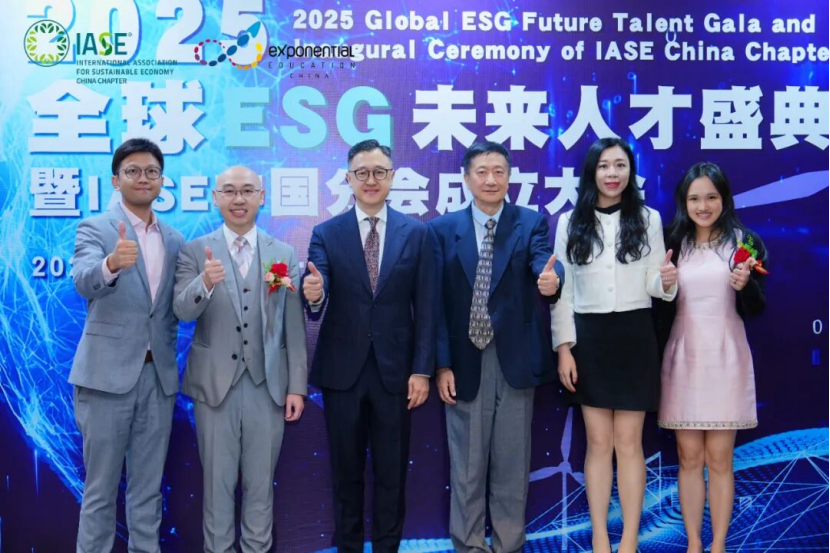
A major highlight of this event was the launch of the International Association for Sustainable Economics (IASE) China Chapter after Mrs. Carmen Micu, Chairwoman of the Board of Directors of IASE, and Mr. Joseph Mak, Chairman of the IASE China Chapter, jointly signed a cooperation agreement. This marked the official authorization for the IASE certification system — which gathered feedback from more than 40 organizations and operates across 39 countries — to operate in China. Simultaneously, Mr. Gonzalo Toraño, Partner and Founder of Exponential Education, and Ms. Lily Yeung, Executive Director of Exponential Education (China), signed an agreement announcing the upcoming launch of the world’s first online IASE Chinese version international sustainability certification course and examination. IASE China Chapter is registered in Hong Kong, and Exponential Education (China) is the exclusive operator of the IASE China Chapter in China.
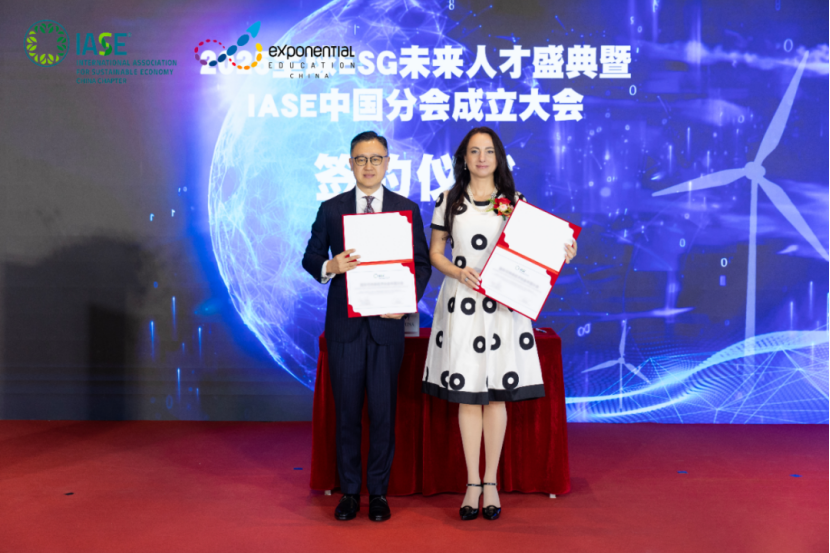
and Mrs. Carmen Micu (right), Chairwoman of the Board of the IASE.
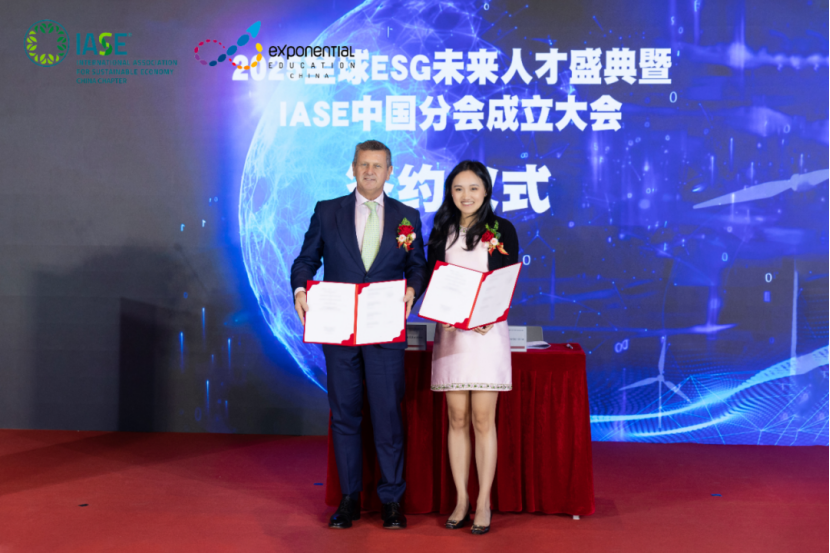
and Ms. Lily Yeung (right), Executive Director of Exponential Education (China)
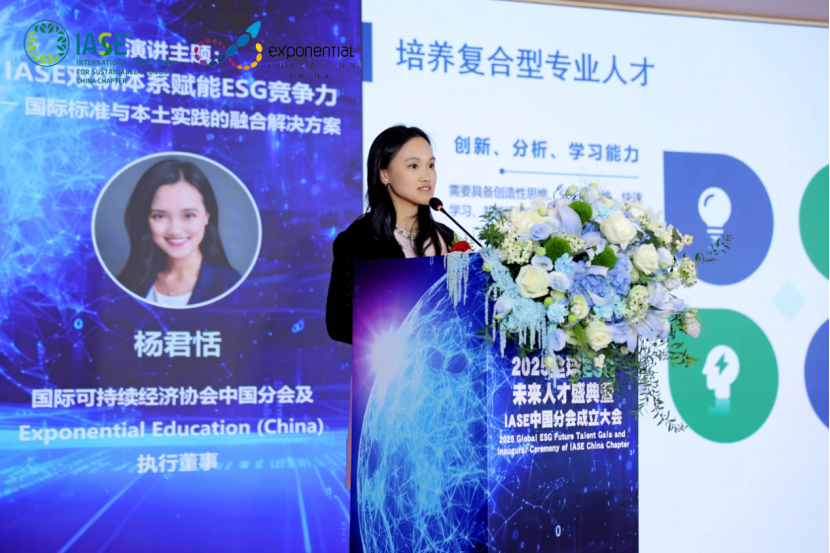
“The establishment of the IASE China Chapter is not simply about introducing international standards, but about building a dual-track system of ‘international certification + local practice’,” Ms. Lily Yeung explained. The chapter will combine the ESG disclosure requirements of the State-owned Assets Supervision and Administration Commission of China (SASAC) with the “Sustainable Development Reporting Guidelines” from the Beijing, Shanghai and Shenzhen Stock Exchanges to develop Chinese-language courses including modules such as “Carbon Audit” and “Supply Chain ESG Management.” Simultaneously, leveraging the MyIASE digital platform, it will provide certified professionals with services such as international community exchange and corporate internship opportunities, forming a complete “learning-certification employment” support chain. The certification system has three levels: Level 1 Advisor, Level 2 Specialist, and Level 3 Expert, which can accurately match the ESG competency requirements of different positions within companies.
Experts share insights on talent gaps, analyzing ESG development paths from multiple dimensions.
In response to the severe global shortage of ESG talent, several prominent guests, in their speeches, analyzed the urgency and importance of ESG talent cultivation from different dimensions such as global governance, policy regulation, and regional collaboration.
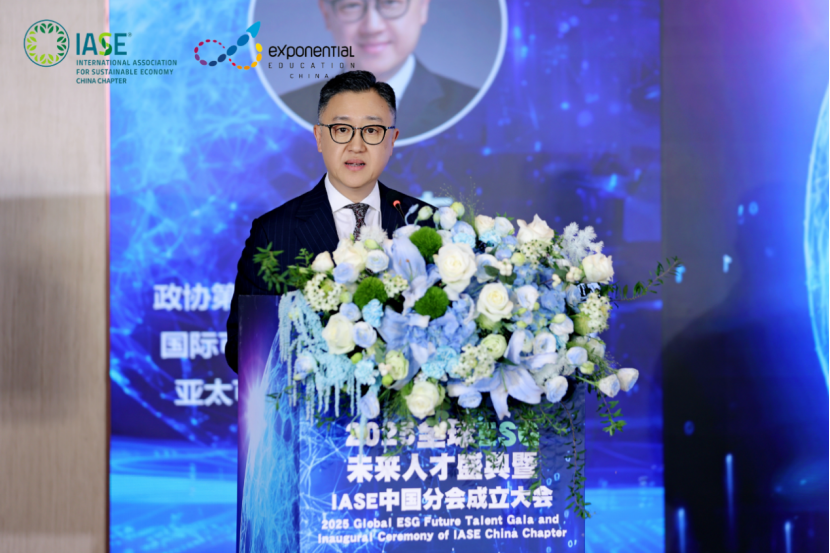
In his opening remarks, Mr. Joseph Mak, Chairman of IASE China Chapter and Dean of the Asia-Pacific ESG Strategy Research Institute, pointed out that the “2025 White Paper on Sustainable Talent Demand” shows that global ESG positions grew by 64.5% in 2022-2023, but 61.6% of practitioners had less than 3 years of experience. The MSCI forecasts that the ESG talent gap in China will exceed 2.27 million by 2025. “The Chapter’s Advisory Committee brings together leading scholars and experts from around the world, ensuring that international standards are deeply adapted to local Chinese business practices. Through seamless integration of international certification and top global educational resources, it will build a closed loop for enhancing sustainable development capabilities for Chinese learners, cultivating ESG talents with both international vision and local practical skills, and contributing to the achievement of the national ‘3060’ dual-carbon goals.”
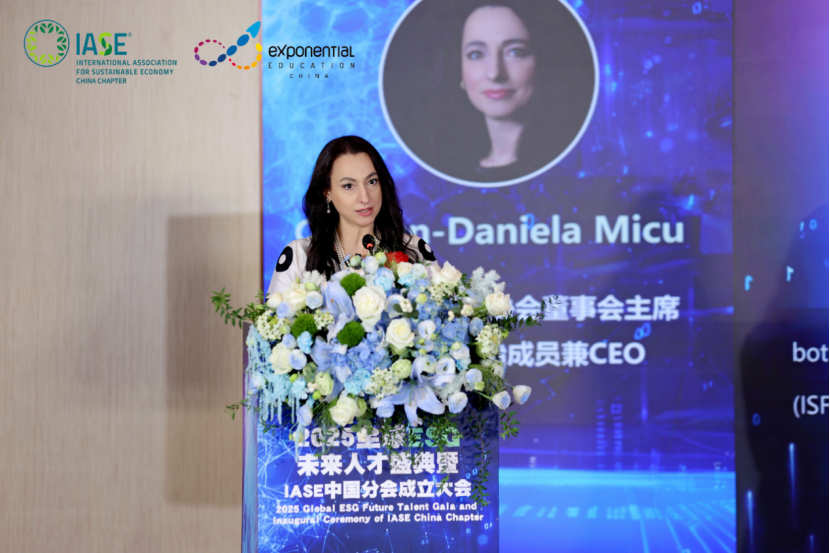
Ms. Carmen Micu, Chairwomen of the Board of Directors of the International Association for Sustainable Economy states that China Affiliate becomes a two-way bridge: On one hand, it brings international certification standards (International Sustainable Finance® and International Sustainable Business®) into China; On the other hand, it shares Chinese innovation and scale-model experience with the IASE global network.
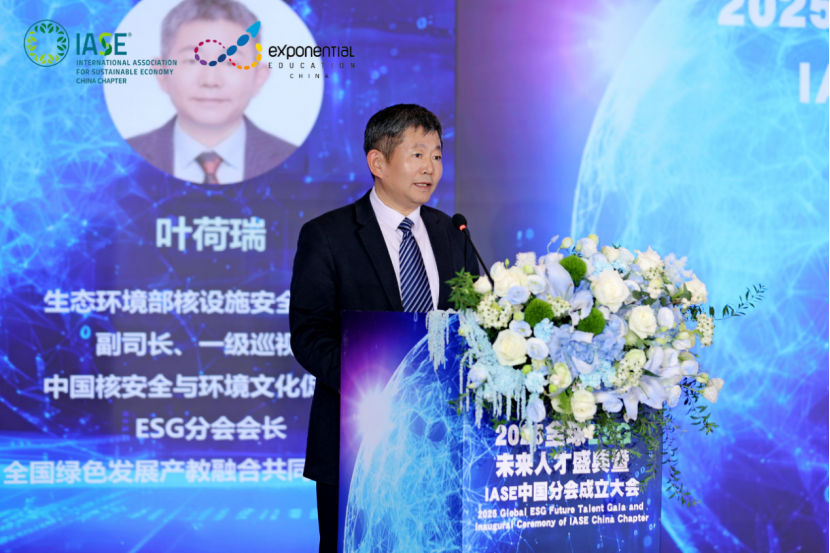
Mr. Ye Herui, First Class Inspector of the Ministry of Ecology and Environment and Chairman of the ESG Branch of China Nuclear Safety and Environmental Culture Promotion Association, pointed out from the perspective of policy supervision that the current domestic ESG supervision framework is constantly improving. At the global level, regulations such as the EU Carbon Border Adjustment Mechanism (CBAM) and the Corporate Sustainability Reporting Directive (CSRD) have been introduced intensively. ESG compliance has become an “admission ticket” for enterprises to compete internationally, and enterprises have an urgent demand for ESG talents. Mr. Ye Herui suggested that a talent ecosystem of “government guidance, enterprise leadership, and institutional participation” needs to be built, and IASE China Chapter is a core platform for integrating international resources, promoting digital management tools, and helping enterprises overcome green barriers.
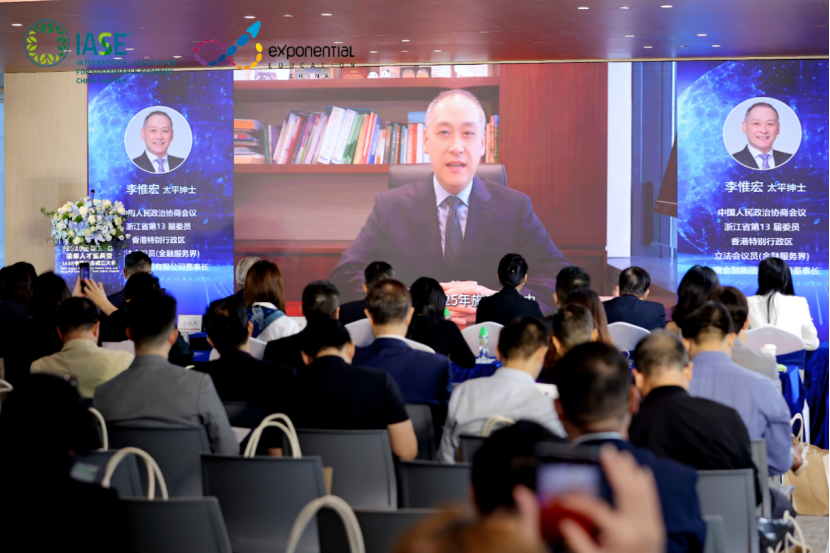
In a video address, Mr. Robert Lee, Member of the Legislative Council of the Hong Kong Special Administrative Region (Financial Services Functional Constituency) and Chairman of Grand Finance Group, stated that Hong Kong is deepening its cooperation with the Mainland by positioning itself as a “green finance hub.” He introduced that the Green and Sustainable Finance Training Pilot Scheme launched by the HKSAR Government in 2022 had covered 95 qualification training courses and qualifications by the end of July 2025. “We look forward to the collaboration between IASE China Chapter and Hong Kong institutions, through mutual recognition of certifications and joint curriculum development, to make Hong Kong a ‘transfer station’ for Mainland ESG talent to connect with international capital, jointly expanding the ESG talent pool in the Greater Bay Area.”
Keynote speeches offer multi-dimensional advice, decoding talent cultivation and transformation practices.
Four industry leaders shared their paths and experiences in cultivating ESG talent from the perspectives of global climate governance, talent development in universities, green finance practices in enterprises, and industry-education collaboration, providing the attendees with insightful and practical perspectives.
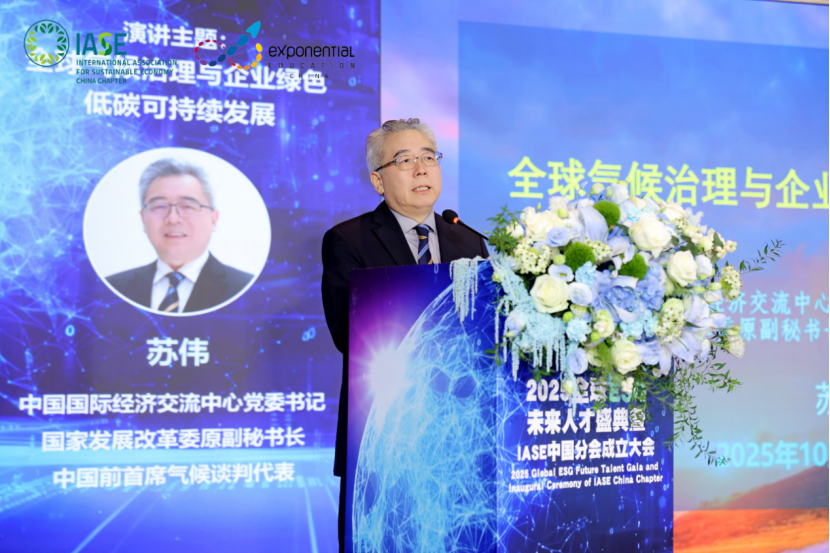
Mr. Su Wei, Secretary of the Party Committee of the China Center for International Economic Exchanges, Former Deputy Secretary-General of the National Development and Reform Commission, and Former Chief Climate Negotiator of China, delivered a speech titled “Global Climate Governance and Corporate Green, Low-Carbon, and Sustainable Development.” He pointed out that enterprises are the core entities for carbon reduction and talent is the key to transformation. He suggested that enterprises seize the opportunity of declining new energy costs to cultivate interdisciplinary talent and proposed that IASE certification system provide a standardized benchmark for talent assessment.
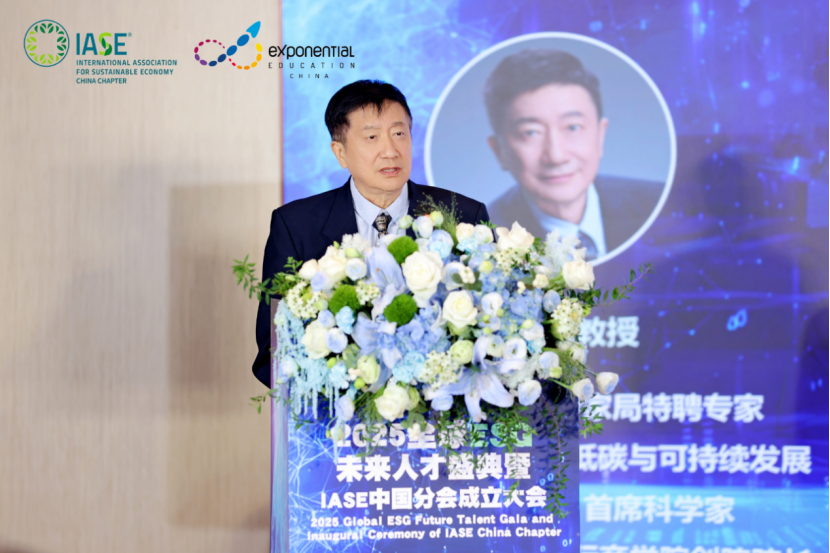
Professor Kong Ying, Specially Appointed Expert of the State Administration of Foreign Experts Affairs, Director and Chief Scientist of the LowCarbon and Sustainable Development Research Center of the Research Institute of Tsinghua University in Shenzhen, proposed a breakthrough from the perspective of higher education. He pointed out that traditional education suffers from disciplinary barriers and insufficient practical experience, requiring the construction of a fourdimensional framework of “modular curriculum clusters, enhanced practical teaching, digital empowerment, and innovative evaluation mechanisms.” Using the “campus as laboratory” model of Zhejiang University’s Zijingang Campus as an example, he illustrated the role of practical teaching in helping students master core competencies such as carbon management.
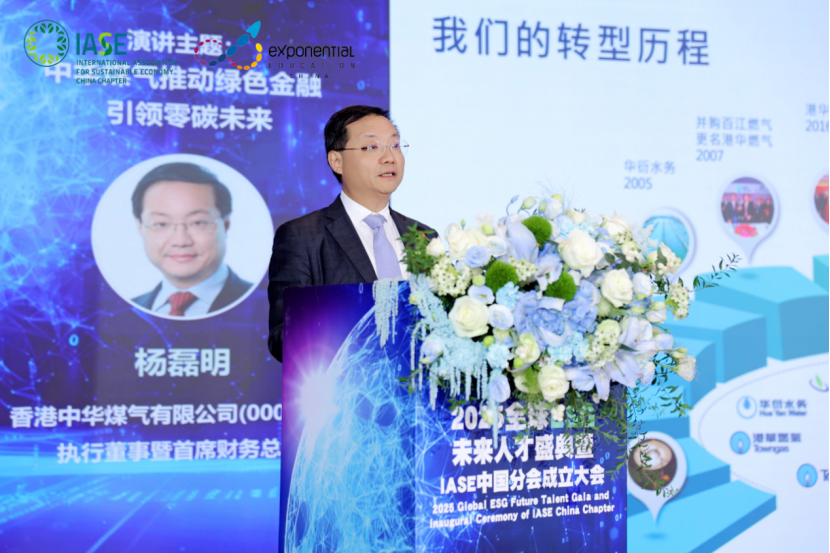
Mr. Edmund Yeung, Executive Director and Chief Financial Officer of The Hong Kong and China Gas Company Limited (Towngas), shared the company’s practices in “Towngas Promotes Green Finance and Leads a ZeroCarbon Future,” introducing the group’s achievements such as raising over HK$6 billion in green funds and innovatively issuing green financial products. He emphasized that the implementation of green finance requires the support of professional talent and revealed that through the “Green Flame Energy Scientist Cultivation Program” has achieved significant results in targeted talent development and enterprise incubation for emission reduction.
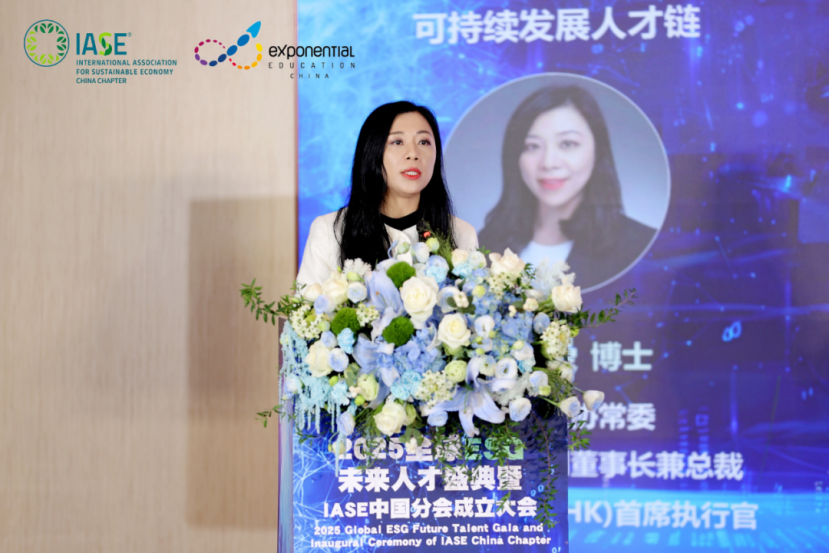
Dr. Eman Liu, Member of the Standing Committee of the Guangdong Provincial Committee of the Chinese People’s Political Consultative Conference and Vice Chairman and President of Huashang Technology and Education Group, focused on industry-education collaboration in her presentation “Building an International Sustainable Development Talent Chain through Industry-Education Collaboration.” She introduced the group’s practices in jointly building industry colleges with leading enterprises and introducing real ESG project teaching, citing examples of students gaining admission to relevant master’s programs at Hong Kong universities based on their practical experience in the courses. She emphasized the need to build a closed loop of “enrollment – training – employment” and to deliver compound talents through a dual-mentor system and international joint training.
Roundtable Discussion: Focusing on ESG in Global Expansion and Solving Compliance Challenges
As Chinese companies accelerate their “going global” strategy, ESG compliance has become crucial to their globalization efforts. Balancing international standards with local requirements hinges on the support of professional talent.
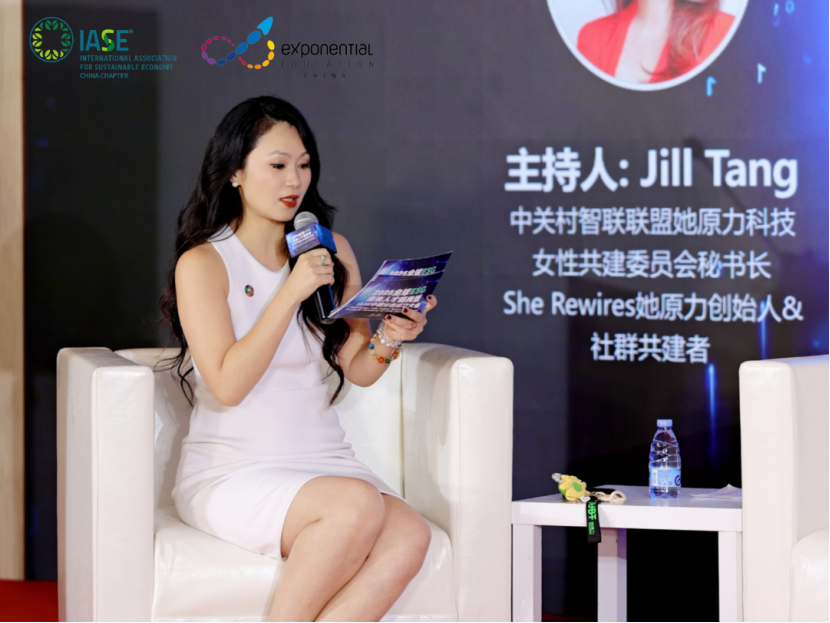
The forum, themed “ESG Globalization and Talent: How Companies Can Balance International Standards and Local Compliance,” moderated by Ms. Jill Tang, Secretary-General of the She Rewires Technology Women’s Co-construction Committee of the Zhongguancun Zhilian Alliance and Founder & Community Co-builder of She Rewires.
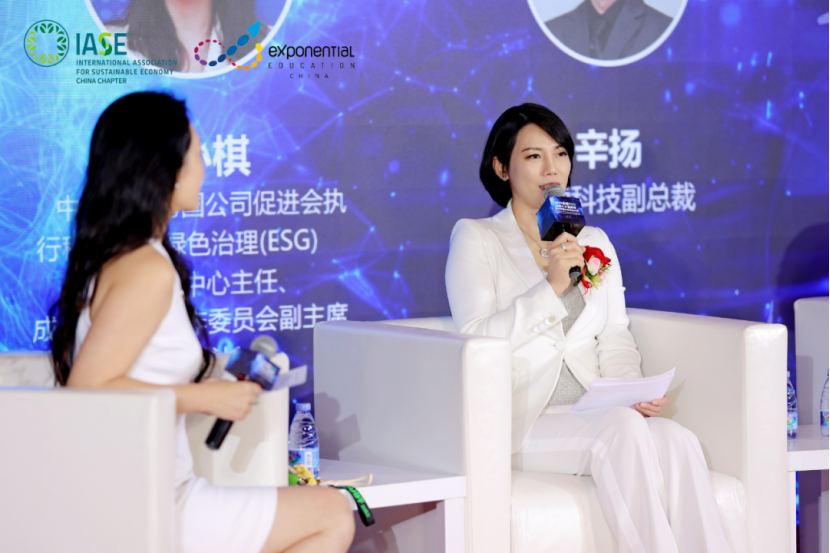
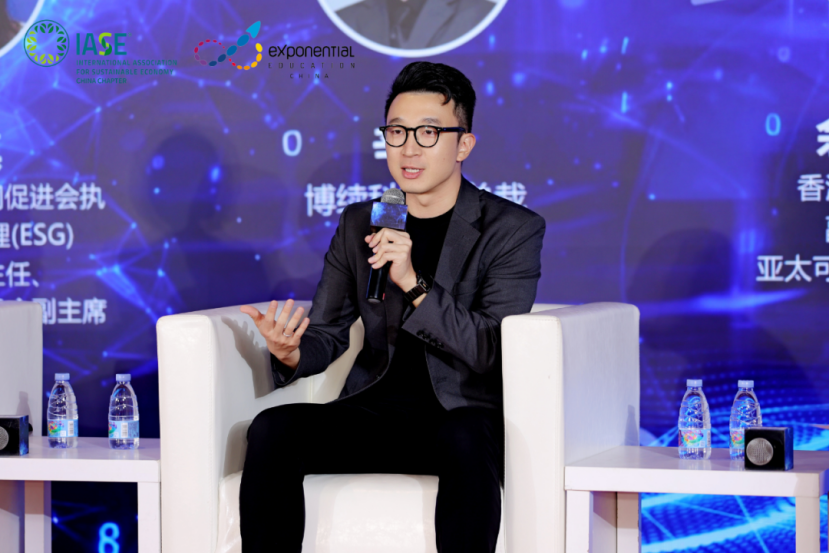
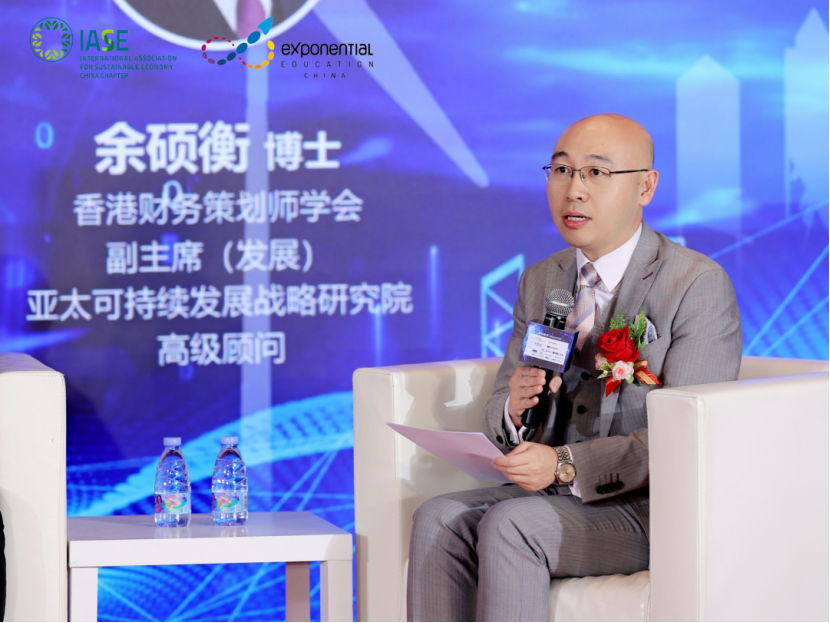
Three guests— Ms. Luo Xiaoqi, Executive Secretary-General of the China International Council for the Promotion of Multinational Corporations, Director of the Green Governance (ESG) Promotion and Development Center, and Vice Chairman and Secretary-General of the Growth Enterprises Working Committee; Mr. Xin Yang, Vice President of SustainaBo (BOXU Tech); and Dr. Keith Yu, Vice Chairman (Development) of the Institute of Financial Planners of Hong Kong and Senior Consultant of the Asia-Pacific ESG Research Strategy Institute — engaged in in-depth discussions on “ESG Globalization and Talent.” They explored how Chinese companies can balance international standards with local compliance and cultivate ESG professionals with a global perspective from multiple angles, including standard adaptation, technological empowerment, and policy support.
Connecting Resources for Tangible Results, facilitating Enterprises’ Access to Global Innovation Resources
During the event, it was announced that IASE China will collaborate with NovaX to provide free exhibition booths for certified companies at the “NovaX Zone” at the “Innovating Hong Kong Global Talent Carnival” in Hong Kong on November 29-30, connecting them with over 10,000 technology talents and university resources, and empowering the entire chain of “talent recruitment – Hong Kong landing – overseas science and technology innovation expansion”.
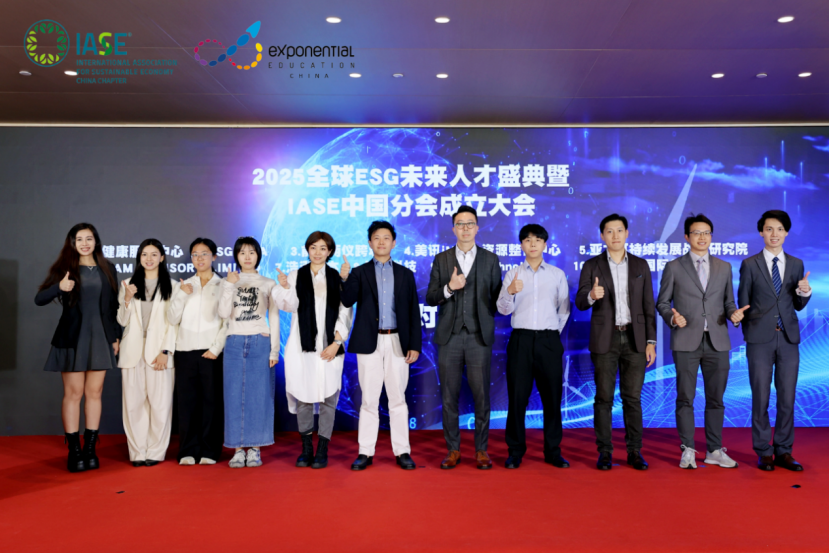
with representatives of the award-winning enterprises.
As a professional organization in the field of international sustainable economy, the establishment of the IASE China Chapter will bring international knowledge frameworks and practical standards to the cultivation of local ESG talent. Moving forward, the IASE China Chapter will fully leverage the advantages of its international platform to build a bridge connecting global resources with local needs, collaborating with all parties to promote the development of a robust ESG talent ecosystem and the high-quality advancement of the industry.
The successful hosting of this grand event is inseparable from every contribution and support. We hereby extend our sincerest gratitude to all co-organizing and supporting units, as well as to the distinguished guests, experts, and scholars who traveled from afar. We look forward to continuing our collaboration with all parties in the future, building on the foundation of talent and uniting through cooperation to contribute new momentum to the advancement of China’s “3060” dual-carbon goals and the global cause of sustainable development.