
Amid the Wave of Globalization, the Middle East Market Emerges as a Billion-Dollar Blue Ocean, Drawing Global Attention.
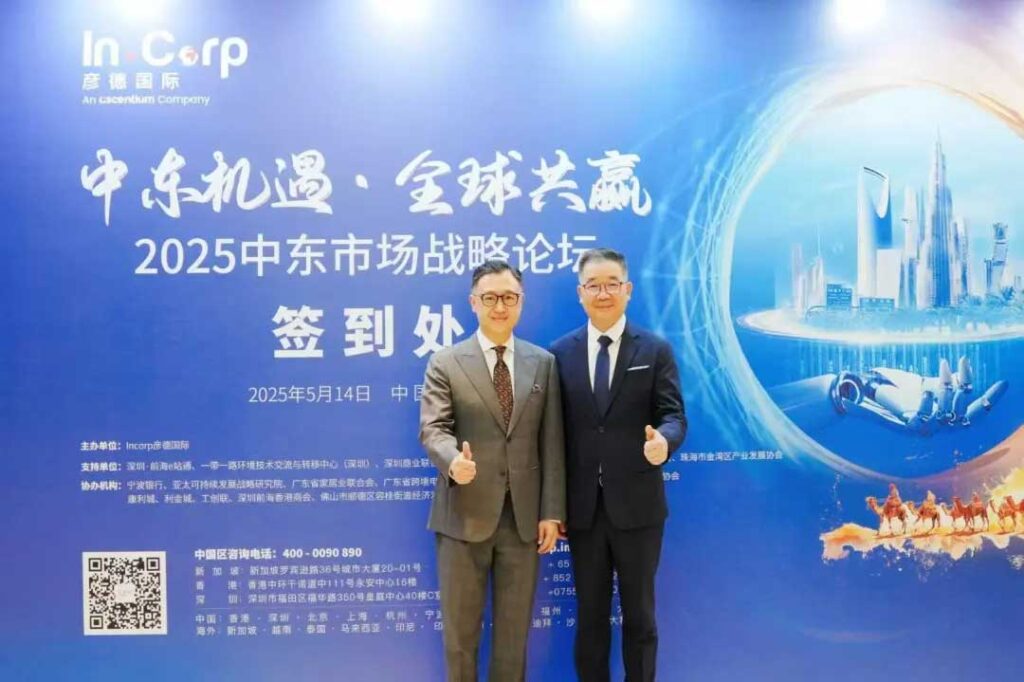
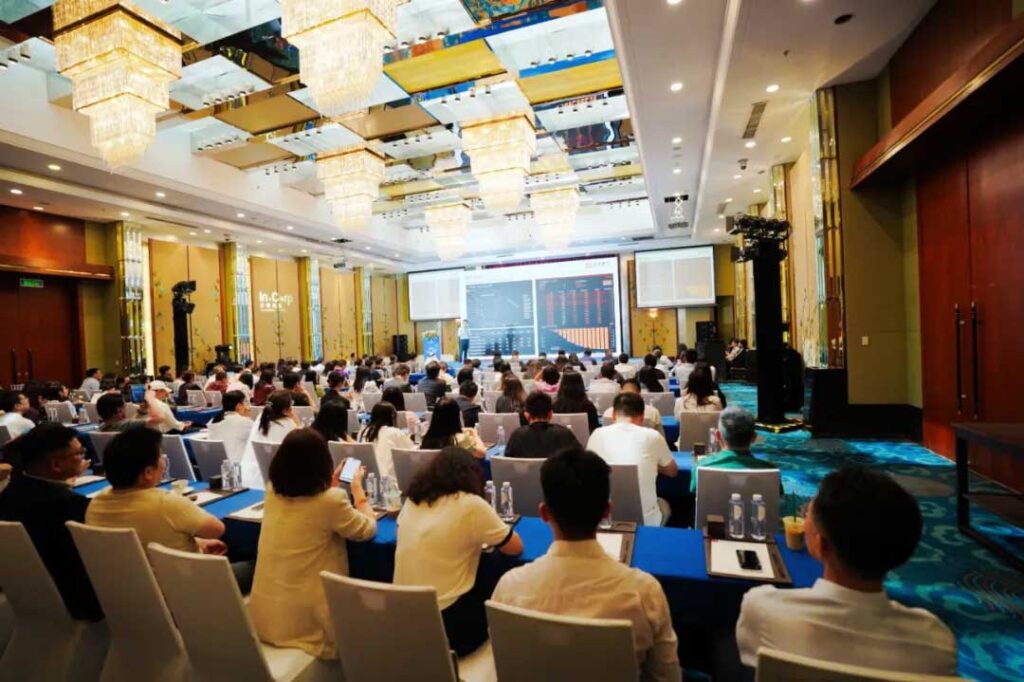
The Middle East Market Strategy Forum, hosted by InCorp International and co-organized by the Asia-Pacific ESG Strategy Research Institute (APESG), recently concluded successfully in Shenzhen. The event brought together over 180 industry leaders, including government policymakers, tax and legal experts, publicly listed companies, and global business executives, to explore emerging trade opportunities in the Middle East and develop strategic roadmaps for international expansion.
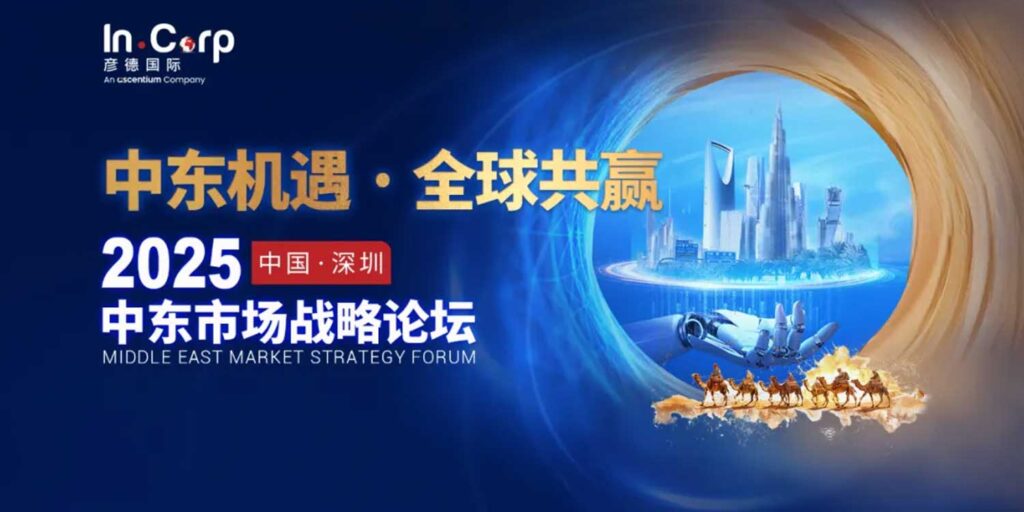
The Middle East, with its unique geographical location, abundant resources, and growing market demand, has become an indispensable part of the global business landscape. However, establishing a foothold in this land of opportunity is no easy task. To address this challenge, this forum has specially invited local Middle Eastern experts to share their insights. With their in-depth understanding of the regional market and extensive practical experience, they provided highly targeted guidance for companies expanding overseas. From market entry regulations to navigating cultural differences, and from interpreting policies and regulations to mastering business collaboration techniques, the experts delivered a wealth of actionable insights, leaving participating corporate representatives with invaluable takeaways.
ESG Serves as a Powerful Lever for Corporate Overtaking
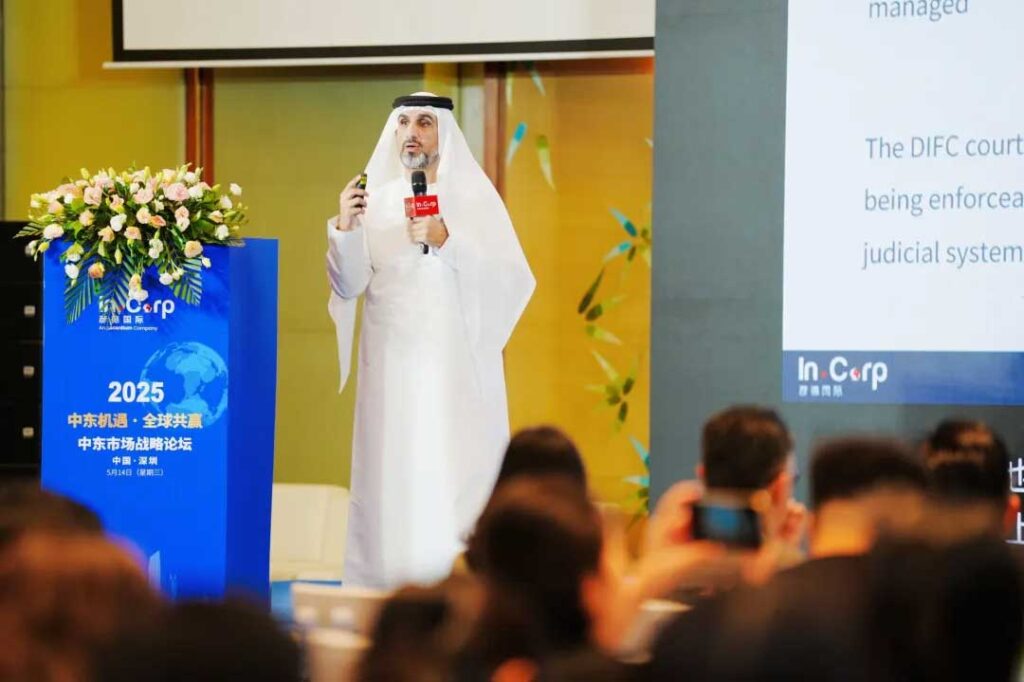
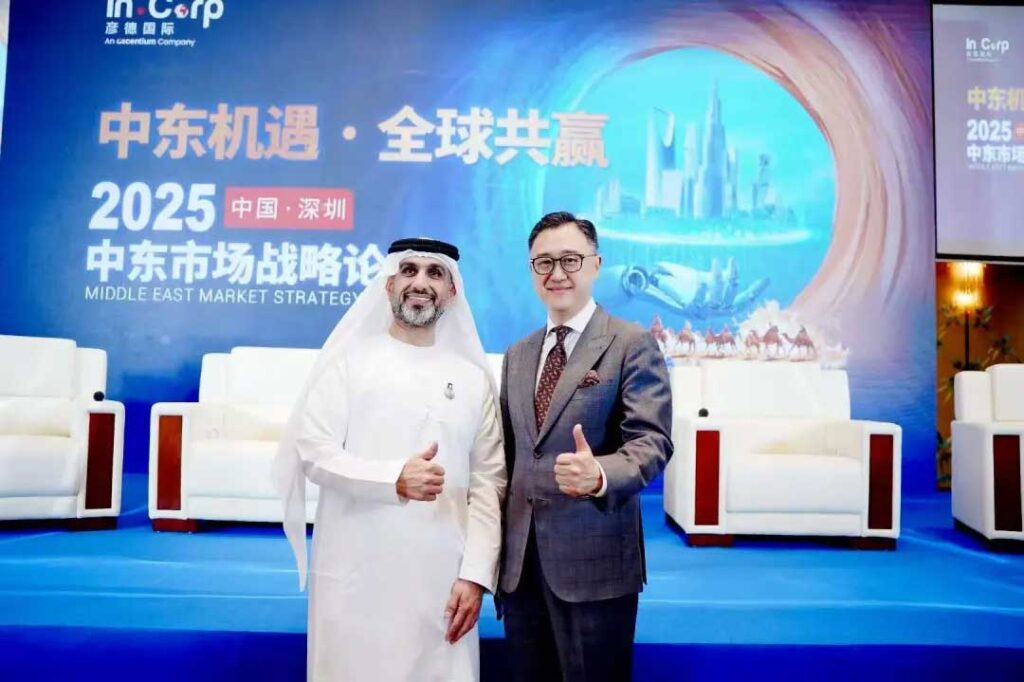
The event specially invited Dr. Abdullah Yusuf Nasser, a prominent Middle East expert, to deliver a comprehensive keynote addressing the business environment analysis and risk prevention strategies for Chinese enterprises expanding into the Middle East, thereby helping businesses establish robust security safeguards for their overseas ventures.
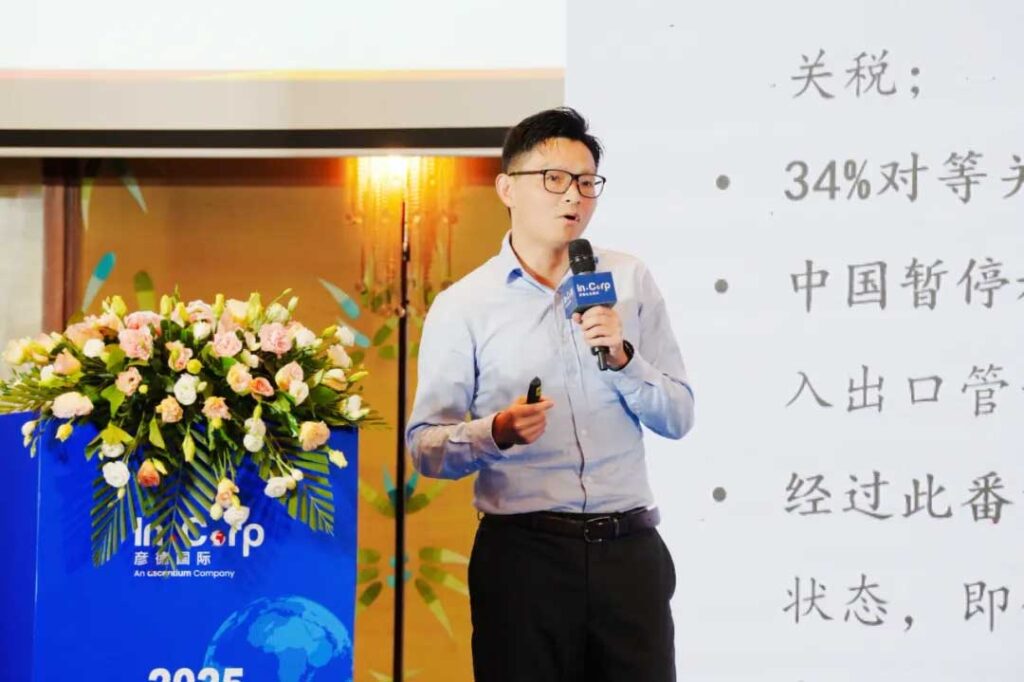
Mr. Mu Chenzhe, General Manager of the Marketing Department at Bank of Ningbo Headquarters, provided enterprises with strategic insights from a macro perspective – ranging from “Exchange Rate Outlook in the Trump 2.0 Era” to “Global Macroeconomic Trends in the New Economic Cycle” – effectively clearing the fog of international policy winds and empowering businesses to grasp the broader macroeconomic landscape.
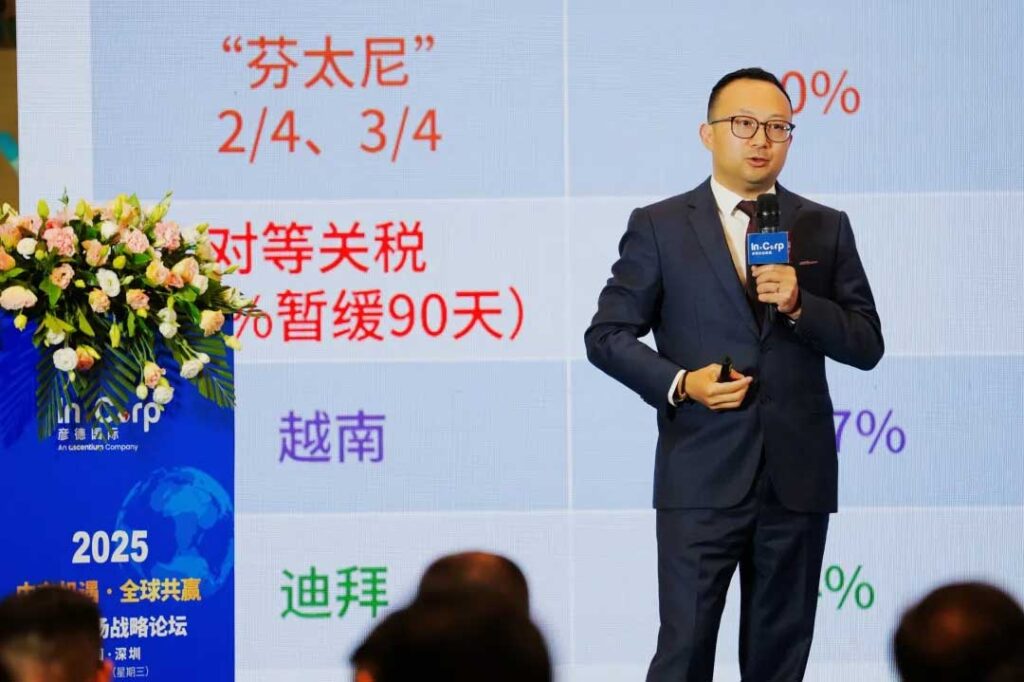
Mr. Gong Yanbin, Director of InCorp International, delivered an in-depth sharing session on practical overseas expansion strategies for Chinese enterprises under the new circumstances, providing actionable operational guidance for companies going global.
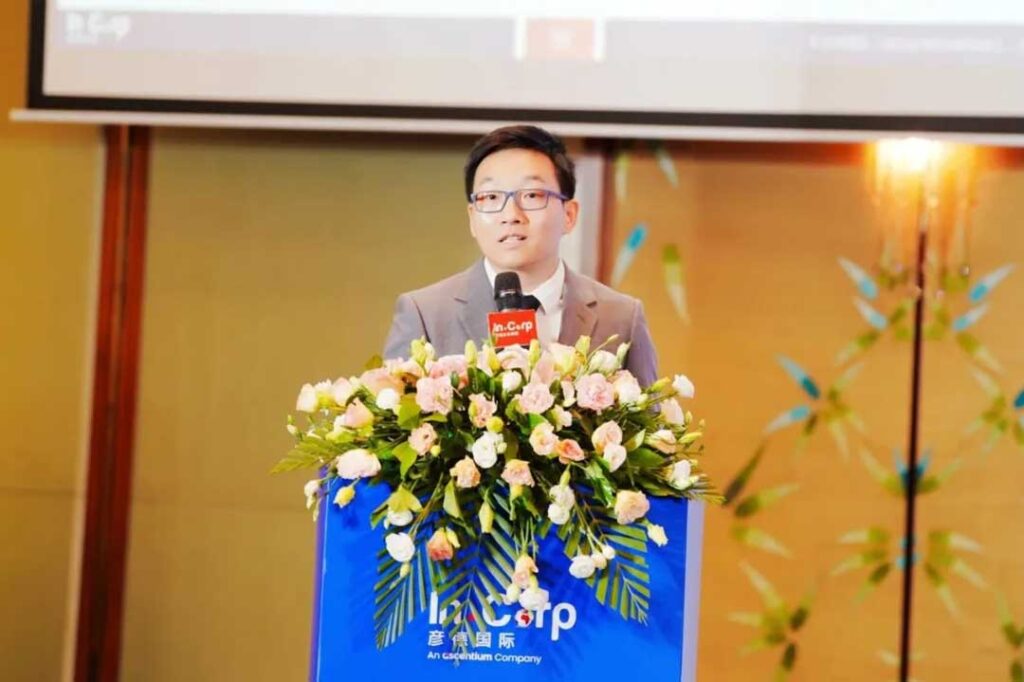
Mr. Huang Guanteng, Middle East Chief Advisor of InCorp International, provided a thorough analysis of practical business operations in the Middle East through his presentations on “Company Establishment & Compliance Operations in Dubai” and “Interpretation of New Tariff Policies,” offering enterprises clear insights into the region’s market regulations.
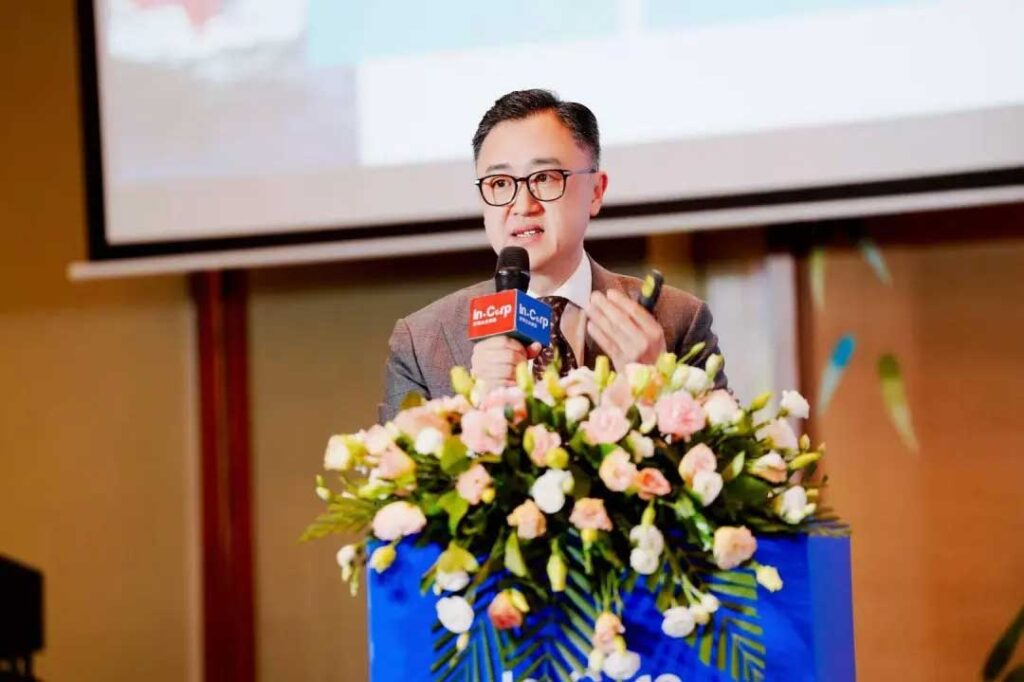
Mr. Joseph Mak, Executive Dean of APESG, Institute for Sustainable Development Strategy, examined how Chinese enterprises can leverage ESG principles to navigate the Middle East’s economic transformation. He emphasized that major initiatives like Saudi Arabia’s Vision 2030 and the UAE’s Energy Strategy 2050 are creating new business opportunities while raising compliance standards. By adopting ESG frameworks, companies can not only meet these evolving requirements but also enhance their competitiveness and establish sustainable operations in the region.
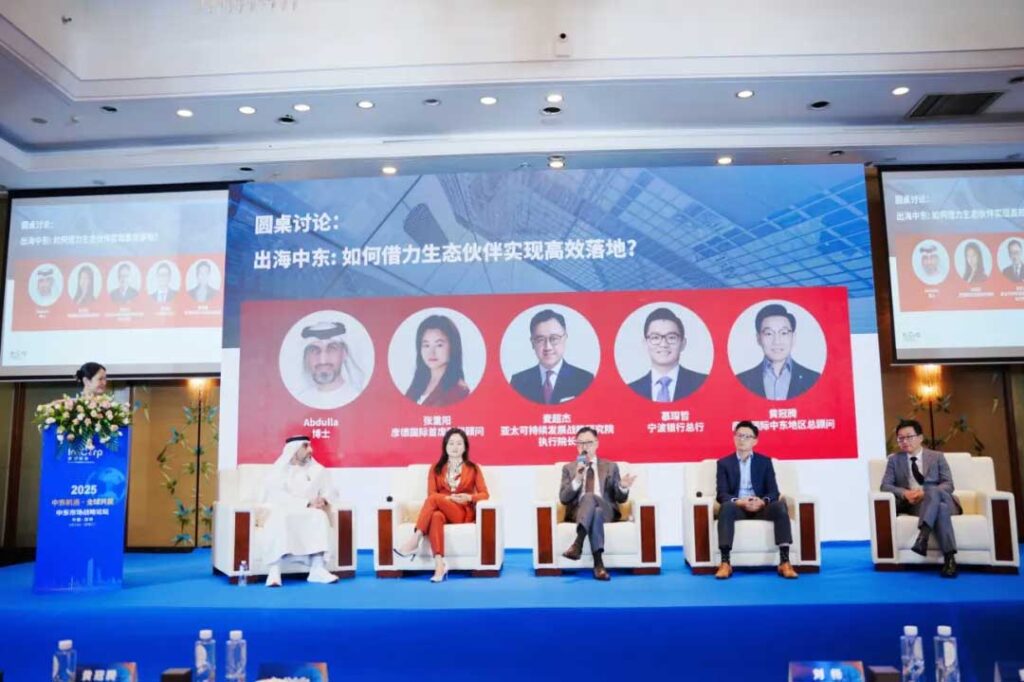
During the roundtable discussion, industry experts emphasized that compliance and localization strategies are crucial for successful Middle East market entry. Participants agreed that while pursuing commercial growth, companies must integrate ESG principles into their operations to ensure sustainable development in this promising yet challenging market.
For Chinese enterprises, the Middle East presents both significant opportunities and unique complexities. Developing tailored approaches that balance business objectives with environmental and social responsibilities will be key to long-term success in the region.
Looking ahead, the Middle East market maintains tremendous growth potential. As global economic development progresses and international cooperation deepens, the region is poised to play an increasingly vital role in global industrial and supply chains.
APESG will continue monitoring market dynamics in the Middle East while providing professional advisory services to help businesses successfully integrate into the regional market and achieve their international expansion goals.
We look forward to partnering with more enterprises to jointly explore the promising future of the Middle East market!