
On March 6, a World Bank delegation visited Shenzhen Green Exchange (SGE) for research discussions with key stakeholders including the Foreign Economic Cooperation Office of Ministry of Ecology and Environment, Shenzhen Ecology and Environment Bureau, and Asia-Pacific ESG Strategy Research Institute. Attendees included Lu Chenggang (Director, MEE Foreign Cooperation Office), Liu Chang (Deputy Director, Shenzhen Climate Change Division), representatives from Asia-Pacific ESG Strategy Research Institute, along with SGE leadership: Chairman Lai Gaoyu, General Manager Liu Yang, and Deputy General Manager Lin Yin. The discussions focused on partnership opportunities in China’s voluntary emission reduction market to advance green development goals.
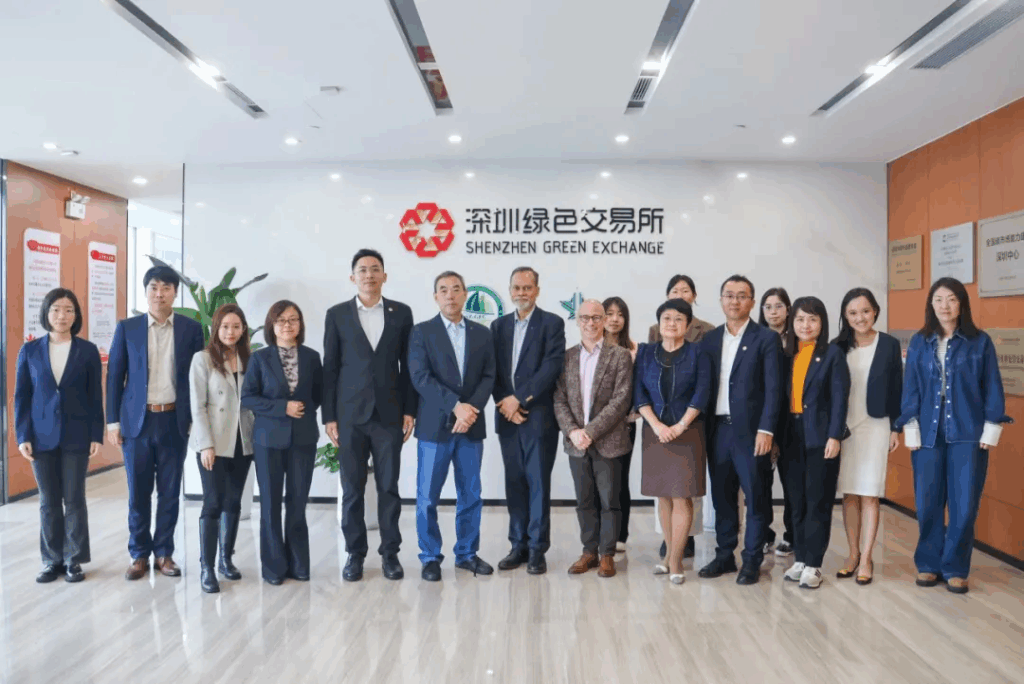
The discussions concluded with unanimous agreement to deepen collaboration in addressing global climate challenges and advancing green transition initiatives. The World Bank’s PMI program, established to support China’s national carbon trading system under the Ministry of Ecology and Environment, is positioned to contribute to Shenzhen’s efforts in three key areas: applying digital technologies to enhance carbon accounting, conducting pilot programs in strategic industries, and developing shared emission reduction projects under Article 6.2 of the Paris Agreement.
Beyond these priorities, the World Bank and Shenzhen Green Exchange will collaborate on multiple fronts including the dissemination of Shenzhen’s carbon market experience, development of voluntary emission reduction methodologies, construction of robust data infrastructure, and facilitation of cross-regional cooperation for local carbon mechanisms. This comprehensive partnership framework combines technological innovation with international best practice sharing to accelerate low-carbon development.
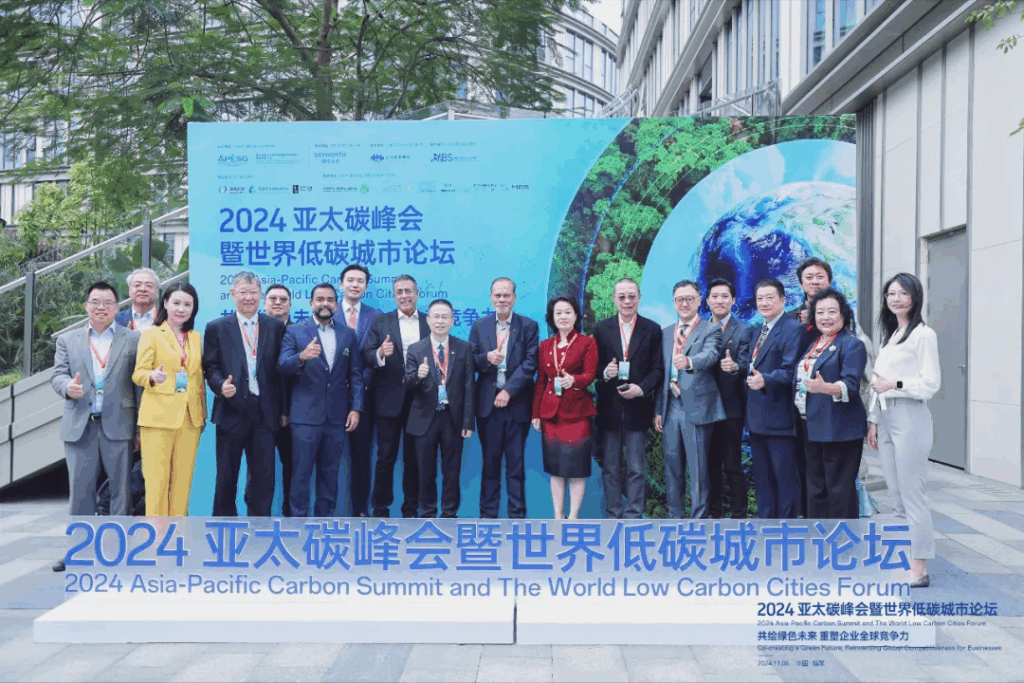
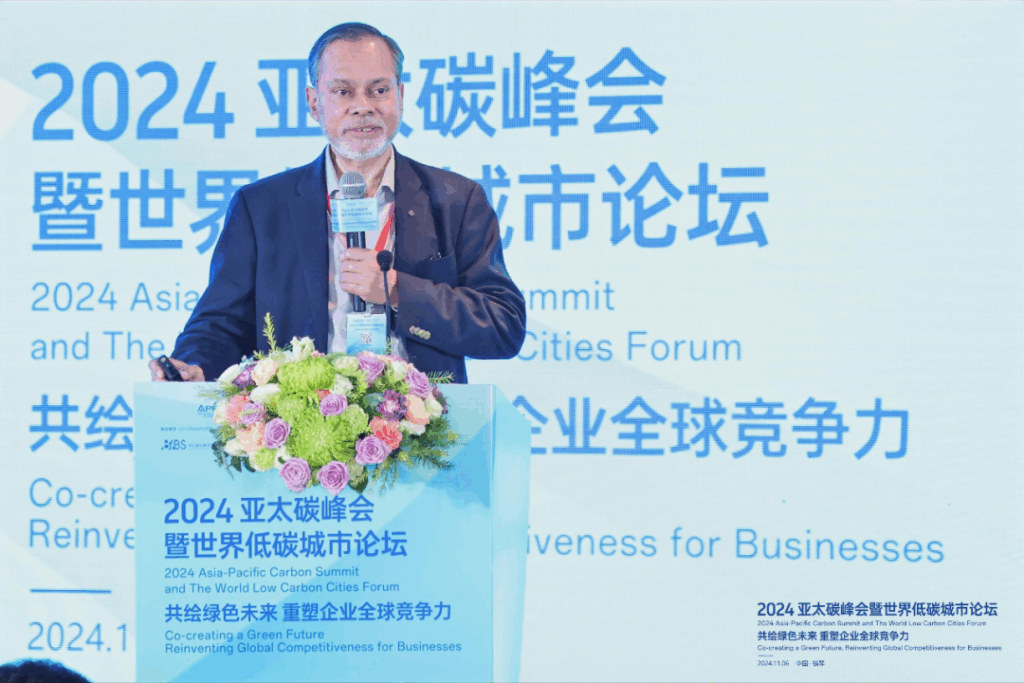
The current discussions mark a meaningful continuation of the groundbreaking work initiated at last November’s 2024 Asia-Pacific Carbon Summit & World Low-Carbon Cities Forum, hosted by the Asia-Pacific ESG Strategy Research Institute (APESG). That landmark event featured a keynote address by Chandra Shekhar Sinha, the World Bank’s Chief Expert on Carbon Markets & Finance and Climate Finance & Economics, alongside closed-door roundtables with specialists from Shenzhen Ecology and Environment Bureau and Shenzhen Green Exchange. These exchanges produced valuable insights for Shenzhen’s CCER market development.
The present meeting represents both an extension and deepening of the 2024 Summit’s outcomes, demonstrating sustained commitment to advancing carbon market mechanisms through multilateral cooperation. By maintaining this continuity of dialogue between international institutions and local implementers, the partners are creating an increasingly robust framework for low-carbon urban development.
相关文章:
共绘绿色未来,重塑企业全球竞争力——2024 亚太碳峰会暨世界低碳城市论坛在横琴圆满举行
Promoting CCER cooperation is not only our key measure in fulfilling international responsibilities, but also a vital part of advancing global climate governance. As China’s national low-carbon pilot city, Shenzhen has achieved remarkable accomplishments in carbon emissions trading, carbon finance innovation, and the deep integration between carbon markets and the real economy.
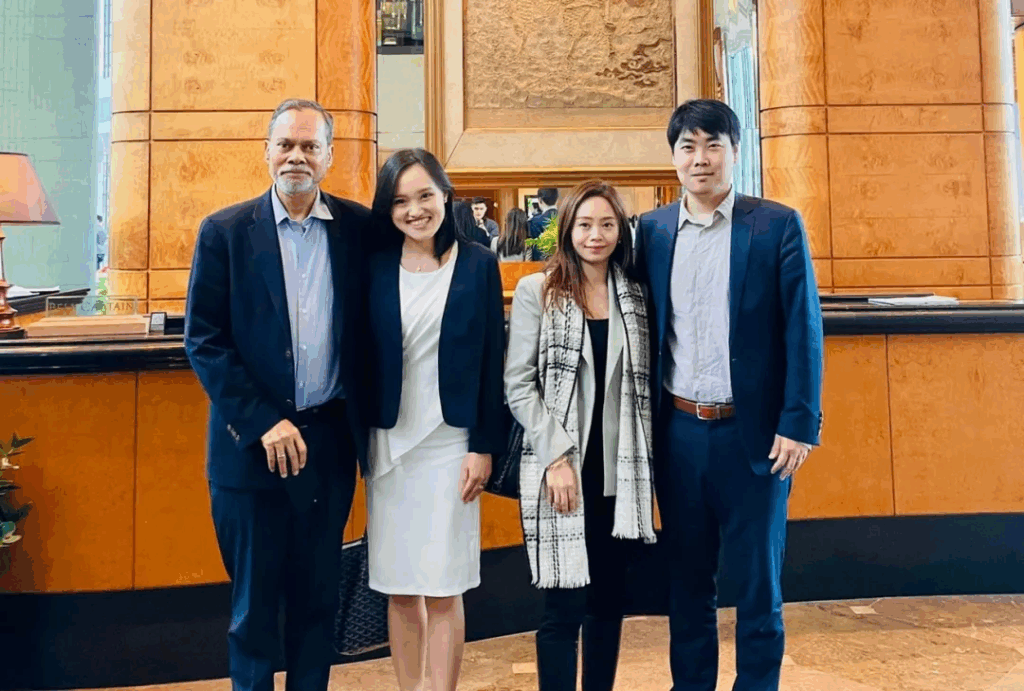
Asia-Pacific ESG Strategy Research Institute (APESG) stands ready to serve as both bridge and catalyst for advancing CCER project exchanges and cooperation across the region. We will actively connect international resources to foster an open, inclusive, and mutually beneficial framework for global collaboration. APESG looks forward to working closely with the World Bank and other international partners to pioneer innovative cooperation models, collectively contributing Asia-Pacific solutions to global climate governance.